Researcher · Consultant · Educator
I run machine learning and psychometric models on large-scale data, then walk into policy rooms and explain what it means. That combination is rarer than it sounds.
Most organisations have more data on human behaviour than they know what to do with. I'm the person who makes it useful.
I run machine learning and psychometric network models on large-scale data, then I walk into policy rooms and explain what it means. That combination is rarer than it sounds. And in an era where data is exploding in volume and complexity, whether it's human, AI-generated, or simulated, the real bottleneck isn't the data itself. It's finding someone with the analytical depth to make sense of it and the contextual judgement to turn it into action.
My PhD at UCL trained me in psychological network analysis, structural equation modelling, and the careful science of measuring things that are hard to measure: belonging, trust, wellbeing. My work at UNESCO gave me something most quantitative researchers never get: a front-row seat to how evidence does (and doesn't) reach the people making decisions for millions of students.
I've coordinated a 52-country Global Alliance on the science of learning, designed cross-national survey instruments, and published research cited in UNESCO policy papers. I work in R, Python, and across four languages. I'm equally comfortable building a classification model and briefing a government delegation on what it found.
Currently open to consulting and advisory work, particularly where big data meets real-world decisions.
My research explores belongingness, mental health, AI in education, and the science of learning through quantitative and mixed-methods approaches.
Tlili, A., Zhang, A., et al.
Tlili, A., Zhang, A., De Bruyckere, P., Huang, R., & Guerriero, S. · Educational Psychology Review
Zhang, A., Yifei, G., Wannapon, S., Nazaretsky, T., & Cukurova, M. · Submitted to AI & Society
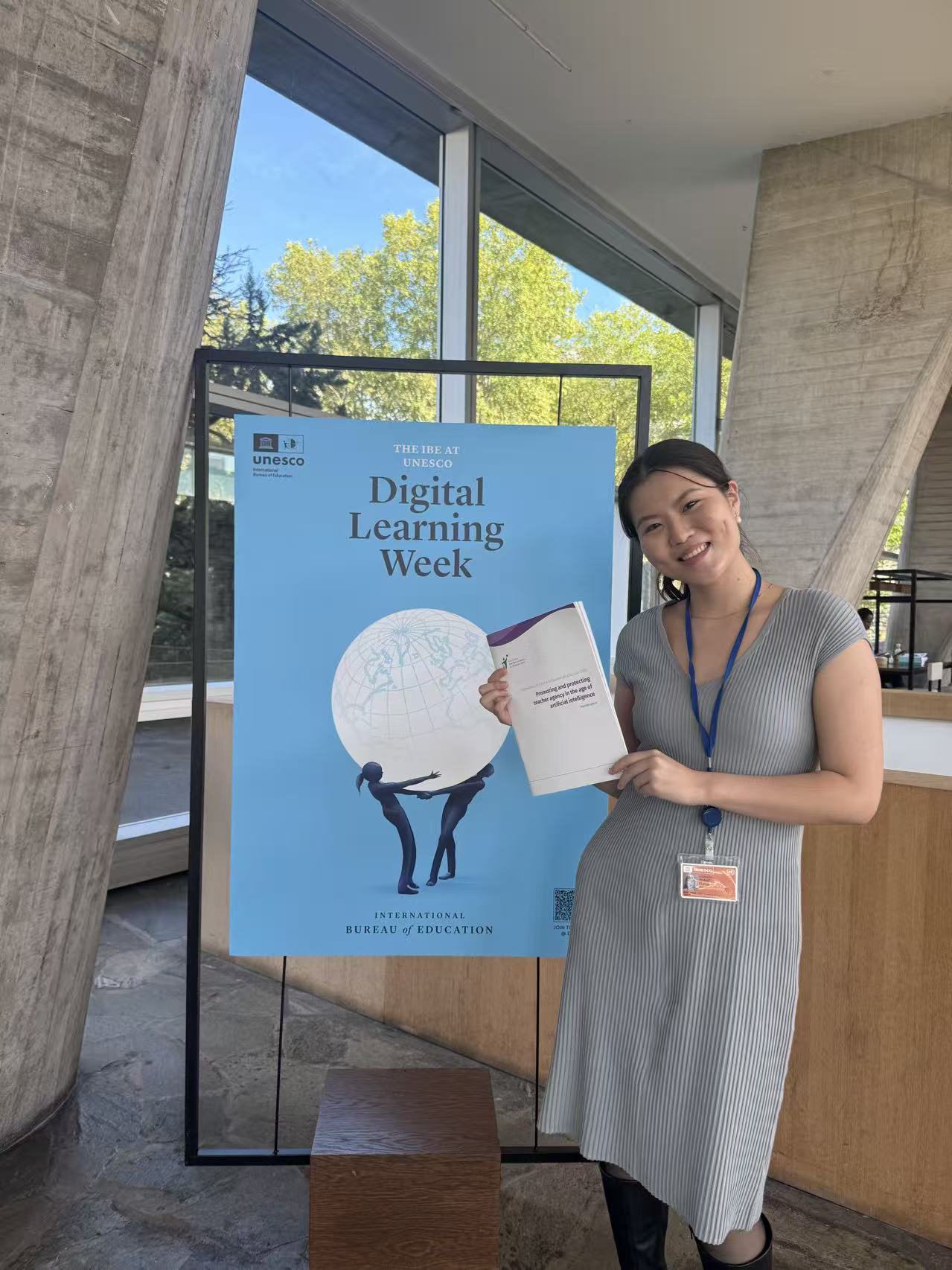
⭐ Cited in UNESCO Teacher Task Force Position Paper: Promoting and protecting teacher agency in the age of AI
Zhang, A., Kazazi, F., Tang, K., & Howell, P. · PLOS Mental Health, 1(2), e0000019
⭐ Winner of the Henry Plotkin Prize for the Best Third Year Project, UCL
Zhang, A. · In UNESCO, Science of Learning: Its Promise for Education Transformation
Zhang, A., Pieniazek, A., & Patrick, M. · UCL Arena Centre of Professional Development
Zhang, A., et al. · UCL Consultants
University College London · Advisors: Peter Howell & Dimitrios Tsivrikos · Healthy Minds Study (N=18,299)
A career spanning international education policy, psychological research, and technology — across four languages and counting.
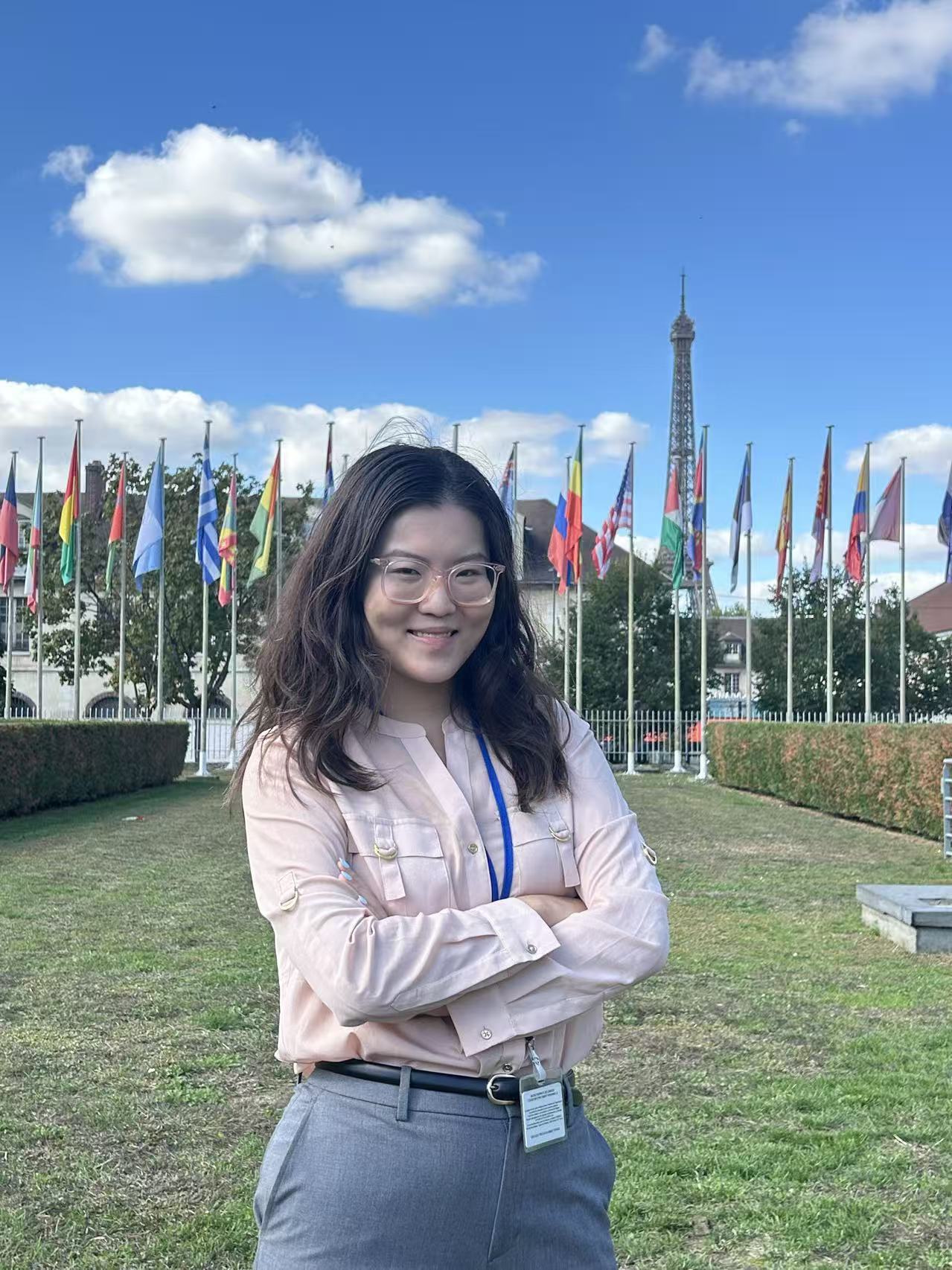
UNESCO · Education Sector, Paris
Supporting school-based trial interventions in Cyprus. Analysing EdTech survey data on alignment with the science of learning. Developing a 9-module OER course for K-12 teachers. Contributing to cross-national psychometric analysis of the Happy Schools Diagnostic Toolkit across the UK, France, Portugal, and Vietnam.
UNESCO · Paris, France
Coordinated the Global Education Coalition across 52 countries. Organised the 2nd Annual Meeting on Science of Learning (45 countries, 219 attendees). Drafted a chapter on social-emotional learning for a UNESCO publication.
University College London
Thesis on psychological network analysis of belongingness and mental health in university students. Mixed-methods research using SEM, network analysis, and qualitative approaches. Supervised 8 BSc and MSc dissertations. Taught statistics and research methods.
Harvard T.H. Chan School of Public Health
Harvard Fellowship Award recipient.
Intel · Shanghai, China
Managed AI-focused education programmes bridging technology and pedagogy. Intel Quality Award recipient.
YK Pao School · Shanghai, China
Provided pastoral support and wellbeing counselling at a leading bilingual school.
University College London
Dean's List. Henry Plotkin Prize for Best Third Year Project.
Currently open to consulting, advisory work, and collaborations in education policy, AI governance, wellbeing measurement, and evidence-informed programme design.
Survey design, psychometric evaluation, network analysis, SEM, and mixed-methods research — particularly in education, wellbeing, and behavioural science. Cross-national survey harmonisation and instrument validation.
Evidence-to-policy translation, science of learning implementation, and strategic guidance for NGOs, governments, and international organisations. Experience working across 52 countries with UNESCO.
Navigating the responsible integration of AI in educational settings — from trust and perception research to programme design, stakeholder communication, and governance frameworks.
Interactive workshops and talks on wellbeing measurement, the science of learning, and human-AI coexistence for academic, corporate, and policy audiences. Delivered in English, Mandarin, French, or Spanish.
Whether you have a research question, a policy challenge, or a project idea — I'd love to hear from you. Also happy to talk about cats, string theory, or why network analysis is underrated.